

In modern furniture manufacturing, quality control is no longer just a final inspection step. It is a core part of production strategy. As factories move toward higher output and more automation, they also need better consistency, fewer defects, and stronger process control.
This is especially important in Automation Furniture Manufacturing. In panel-based furniture, product life often depends on bonding quality as much as design or hardware. If edge adhesion is weak, the finished product may later show peeling, cracking, chipping, or moisture damage.
That is why tensile testing has become more important. It gives manufacturers a practical way to measure material and bonding performance under pulling force. Instead of relying only on visual inspection, factories can use real data to verify quality and improve production stability.
What Is Tensile Testing?
Tensile testing evaluates how materials, parts, or bonded joints perform under pulling force until deformation or failure.
Key indicators:
- Tensile Strength: Max force before failure
- Elongation: Stretch before break
- Bonding Strength: Adhesion between two surfaces
These data ensure material reliability and stable production.
Tensile Testing for Wood & Panels
Wood tensile testing checks the internal strength of wood, MDF, particleboard, plywood, and laminated boards. It confirms material integrity, processing suitability, and raw material consistency.
Edge Tensile Strength Tester
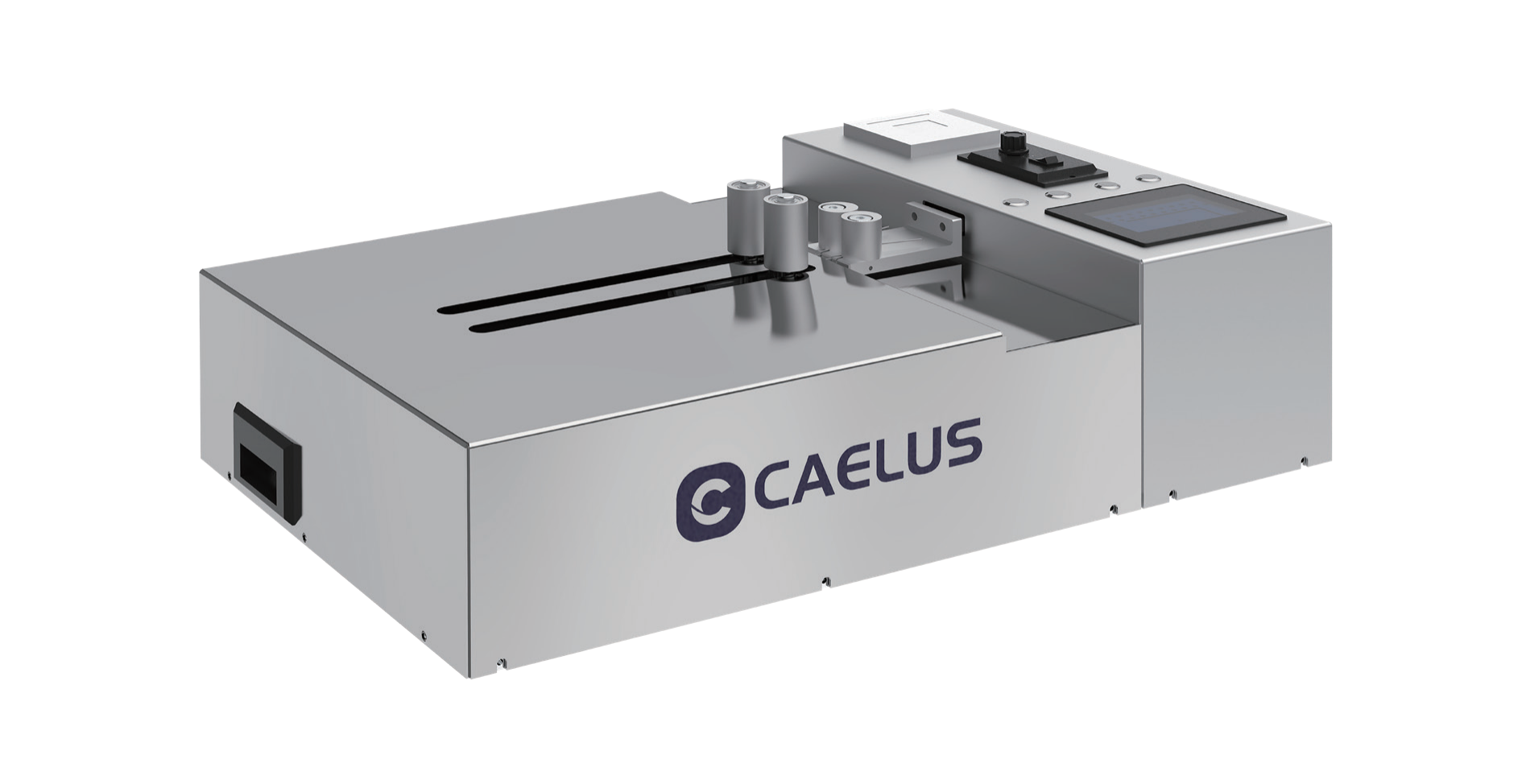
An Edge Tensile Strength Tester measures the bonding force between edge band and panel. It pulls the bonded edge and records the failure force, objectively verifying edge banding quality.
- Main functions:
- Test edge band bonding firmness
- Improve product reliability
- Support data-driven quality control
Core Purposes in Furniture Manufacturing
- Improve Edge Band Quality
Prevent peeling, wear, and moisture damage.
- Optimize Production Processes
Adjust glue, temperature, pressure, and speed for better bonding.
- Reduce After-Sales Problems
Lower complaints, rework, and warranty claims.
- Support Automated QC
Enable standardized, repeatable, data-based quality management.
Workflow Integration
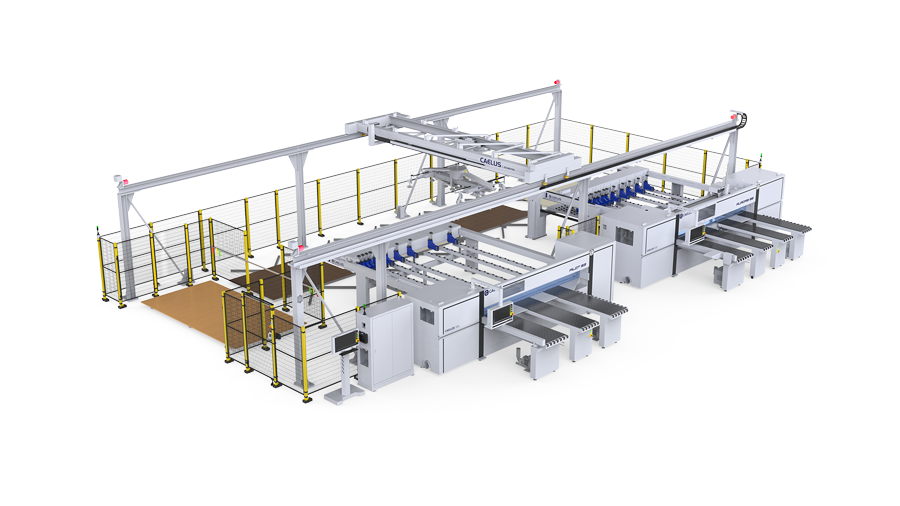
Tensile testing is applied after edge banding, forming a complete quality control loop for cutting, edge banding, and testing.
Conclusion
Tensile testing plays an important role in modern furniture manufacturing because it helps manufacturers evaluate material strength, edge band adhesion, and process stability. In panel-based furniture production, weak bonding can lead to peeling, cracking, and reduced product life. By using tensile testing, factories can identify bonding problems earlier, improve edge band quality, optimize adhesive and machine settings, and reduce after-sales issues. In automated furniture production, it also supports more consistent, data-driven quality control across the entire panel processing workflow.
FAQ
Q1. Why does edge banding fail even when the panel looks fine?
A: A panel can look clean and well-finished on the surface while still having weak adhesion underneath. Poor glue settings, unstable temperature, uneven pressure, or rough panel edges can all reduce bond strength. Tensile testing helps detect these hidden problems before the product reaches the customer.
Q2. How can manufacturers reduce edge peeling and customer complaints?
A: The most effective way is to combine stable edge banding settings with regular tensile testing. By checking bond strength during production, factories can catch weak adhesion early, adjust glue and temperature settings, and prevent common failures like peeling, cracking, and corner separation.
Q3. What is the real benefit of using an Edge Tensile Strength Tester?
A: An Edge Tensile Strength Tester gives manufacturers measurable data instead of relying only on visual inspection. It shows whether the edge band is truly bonded strongly enough for daily use, transport, and long-term durability. This makes quality control more objective and more reliable.
Q4. Can poor cutting quality affect edge band bonding strength?
A: Yes. If a beam saw, panel saw, or CNC machine leaves chipped, rough, or uneven edges, the adhesive may not bond properly to the board. That means the problem may begin at the cutting stage, even if it appears later as an edge banding defect.