Caelus Lab

 Caelus Lab

In the panel processing of furniture manufacturing, edge banding quality directly determines the product's appearance, structural strength, and lifespan. Caelus' edge banding quality inspection solution is specifically designed for quality verification after edge banding. It uses a professional tensile strength tester to conduct a scientific and quantitative banding test on edge banding strength.

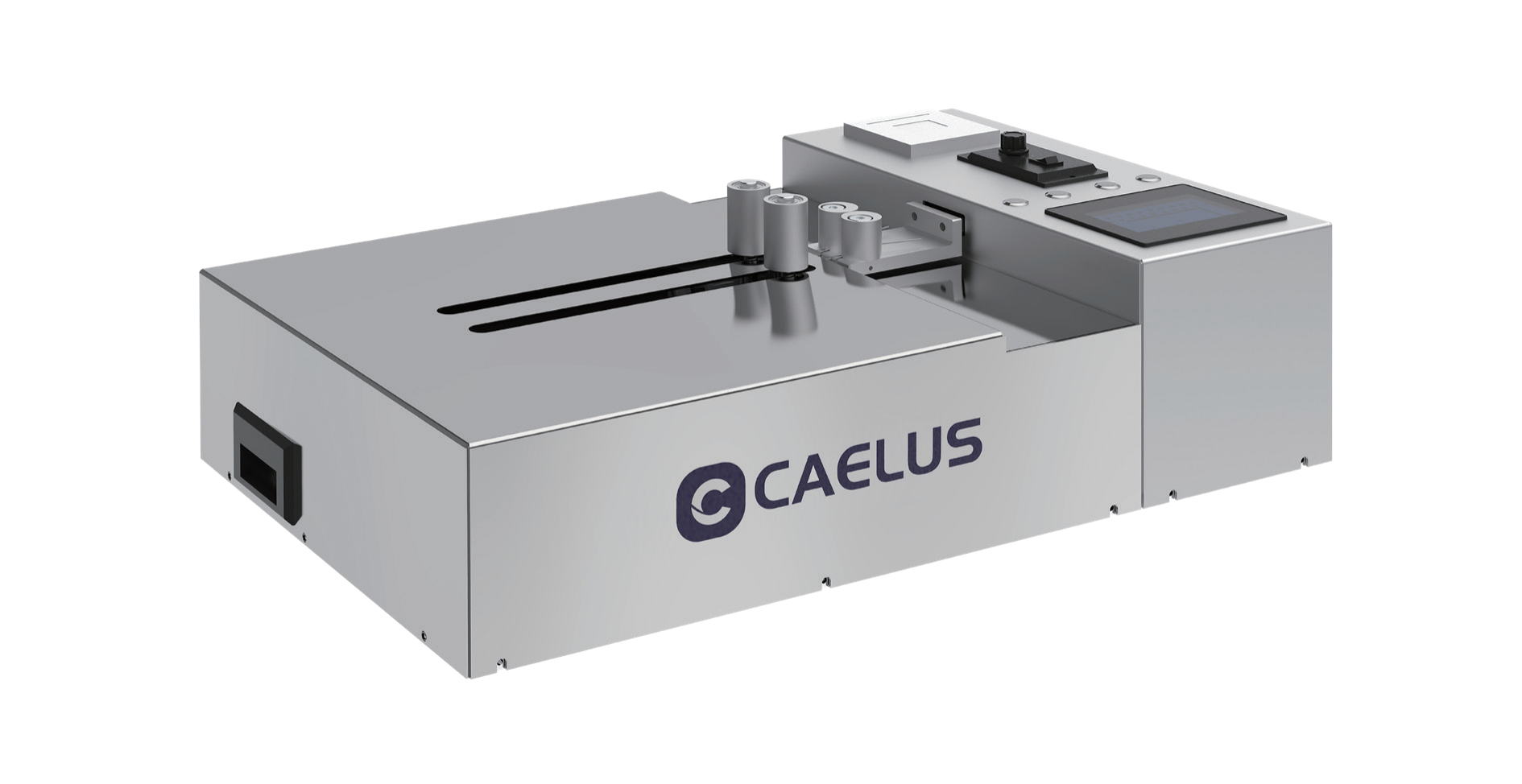
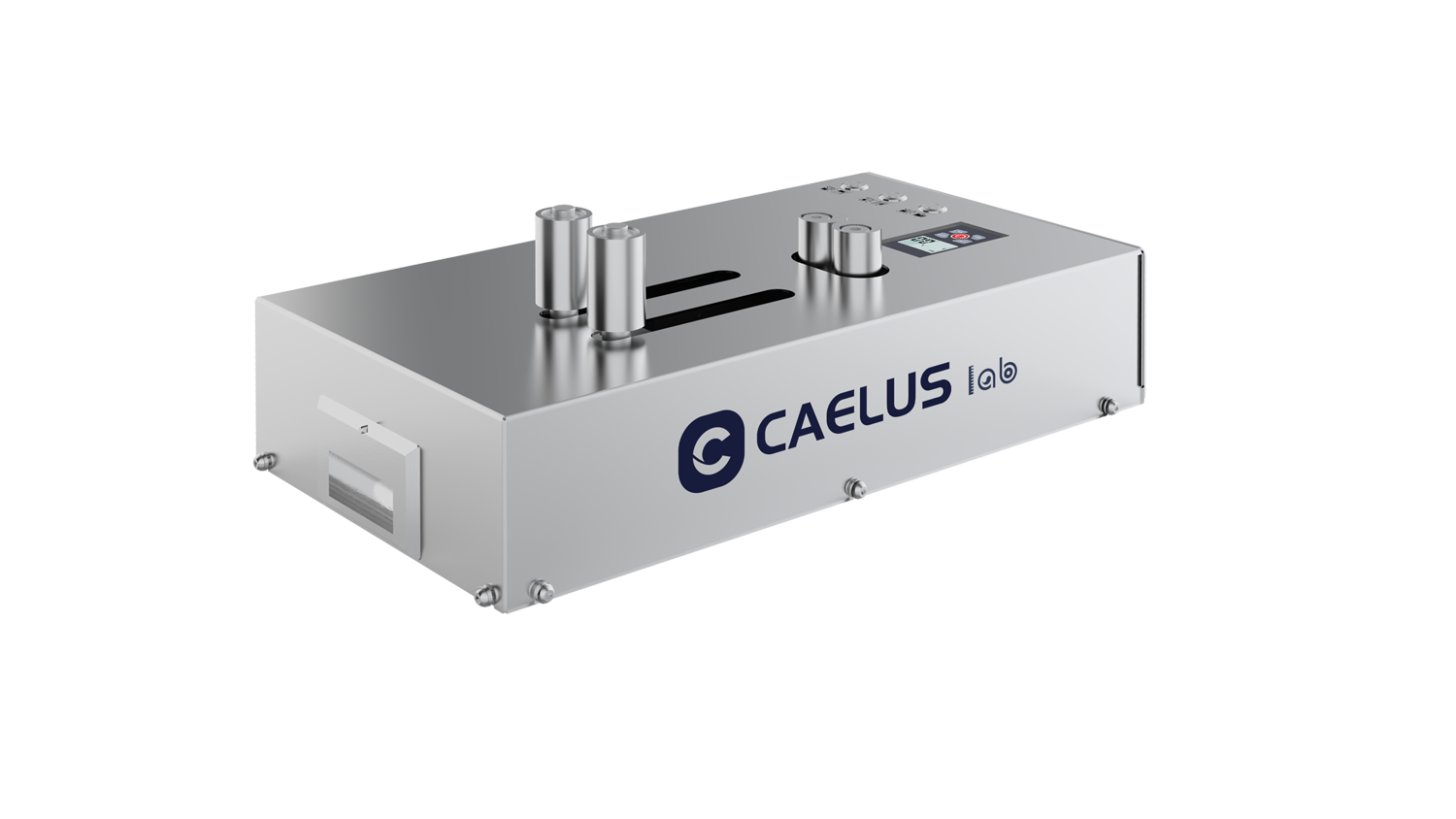
The Caelus edge tensile strength testing machine features a stainless steel body, combining aesthetics with industrial-grade durability. This machine supports variable-speed tensile testing, allowing for flexible adjustment of test parameters based on different edge banding materials, adhesive types, and process schemes. The actual tensile strength is displayed in real-time as a dynamic curve. Test results can be automatically printed, facilitating quality traceability and process optimization in the factory.

This testing solution serves as a quality control step in the edge banding process, helping furniture factories continuously optimize edge banding process parameters, reduce rework rates, and improve finished product consistency. It is a key auxiliary machine for achieving high-standard, controllable panel processing.

Kantenzugfestigkeitsprüfgerät

FAQ


Q1: What is edge banding quality inspection? Why is it important?

A: Edge banding quality inspection is the process of verifying the strength and stability of the edges of the board after edge banding. Through banding tests, the adhesion between the edge banding and the board can be determined, preventing problems such as delamination and edge peeling during use, which is crucial to the quality of furniture manufacturing.


Q2: What role does the tensile strength tester play in edge banding inspection?

A: The tensile strength tester is used to test the tensile strength between the edge banding strip and the board. By simulating actual usage conditions with controlled tension, it directly reflects the quality of edge banding adhesion and is a key testing machine in panel processing quality control.


Q3: What are the features of the Caelus edge tensile strength tester?

A: The Caelus tester has the following advantages:

  •  Variable speed adjustment, adaptable to different edge banding materials and testing schemes
  • Real-time display of dynamic tensile strength curves, making the testing process intuitive and visual
  • Automatic printing of test data, facilitating quality recording and comparative analysis
  • Stainless steel body structure, aesthetically pleasing and durable, suitable for long-term industrial use


Q4: Which edge banding processes is this testing machine suitable for?

A: Applicable to various edge bander processing techniques, including EVA, PUR, and other adhesive edge banding, as well as stainless steel edge banding with different edge banding tape materials or conventional furniture edge banding applications, meeting the diverse needs of furniture manufacturing scenarios.


Q5: Can edge banding quality inspection help optimize production processes?

A: Yes. Through systematic banding test data, factories can optimize parameters such as edge banding temperature, adhesive amount, and pressing pressure, thereby improving edge banding stability, reducing rework rates, and enhancing the consistency and reliability of overall panel processing.


Q6: Can this inspection machine be integrated into existing production processes?

A: Yes. The Caelus edge banding quality inspection machine can be used as an independent quality inspection unit or as a post-edge bander processing quality inspection step integrated into existing production processes, helping factories establish a standardized and quantifiable quality control system.


Q7: Which factories are suitable for configuring an edge banding quality inspection machine?

A: Medium to large-sized furniture factories with high requirements for furniture appearance and durability

Pan-type furniture production lines using automated edge banders

Manufacturing enterprises looking to improve the stability of panel processing through data-driven methods